How to Care for a Lawn in August

How to Care for a Lawn in AugustHow to Care for a Lawn in August…Fall and winter might be the last things on your mind during the hot days of August, but August is just the right time to begin preparing your lawn for colder months. There is also plenty to do to maintain a healthy lawn during the dog days of summer, and the work you do in August will benefit your lawn into the fall and winter. Spend a little time in the mornings or evenings taking care of your lawn to keep it looking lush and attractive while also avoiding the midday August heat.

Sara Ipatenco shares seven different ways you can do in August to improve your lawn.

  1. Pull weeds when you notice them. A weed here or there won’t damage your lawn, but a large number of weeds will suck the moisture from your grass, which needs adequate water during the hot days of August.
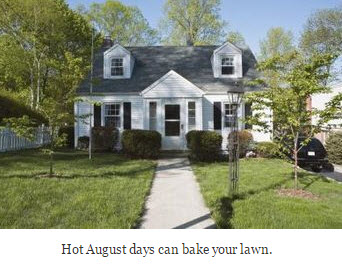
  2. Mow your lawn using the longest blade setting possible. The hot days of August can bake your grass, causing it to turn brown. Mowing the grass longer helps provide shade to the blades and also helps the lawn retain moisture.
  3. Aerate the lawn if it is compacted and water pools rather than soaking in. Rent an aerator from a local home improvement store or hire a lawn company to do it for you. The holes left by the aerator allow more oxygen and moisture to reach the roots of the lawn, preventing the grass from turning brown or dying.
  4. Water your lawn two to four times per week. Use a sprinkler […]
Fall Lawn Tips

You may think your lawn needs less care in the fall because the grass grows more slowly. The opposite is true. Your grass is busy absorbing moisture and nutrients for the winter season. Give your lawn more attention this fall to have beautiful grass in the spring. Use these six tips from Popular Mechanics to help your efforts.

Keep on Mowing
Continue to water and mow your lawn, as needed, throughout the fall. Then as the season ends, drop the mower’s blade to its lowest setting for the last two cuttings of the year. That will allow more sunlight to reach the crown of the grass, and there will be less leaf to turn brown during the winter.
Aerate the Soil
Fall is also an ideal time to aerate your lawn so that oxygen, water, and fertilizer can easily reach the grass’s roots. You can rent a gas-powered, walk-behind lawn aerator. The self-propelled machine will quickly punch holes into the soil and extract plugs of dirt.
Rake the Leaves
I know raking leaves is no one’s idea of fun, but it’s important to remove fallen leaves from your lawn as soon as possible. Don’t wait until all the leaves have fallen from the trees to start raking. If you do, the leaves will become wet from rain and morning dew, stick together, and form an impenetrable mat that if left unmoved will suffocate the grass and breed fungal diseases.
Fertilize for Future Growth
Most lawn experts agree: If you fertilize your lawn only once a year, do it in the fall. Grass leaves grow much more slowly as the weather turns cool, but the grass […]

By |September 20th, 2015|Fall Lawn Tips|0 Comments

5 Tips for Greener Summer Grass

5 Tips for Greener Summer Grass5 Tips for Greener Summer Grass…When temperatures are scorching and the sun appears to be taking its fury out on that once-healthy knoll between your sidewalk and front door, staying “green” can seem an ambitious endeavor. Here are some do-it-yourself lawn care tips from KSL.com

Know how to mow
If you’re ready for healthy, green grass, it’s time to commit to that lawn mower. While you might be tempted to cut the grass super short and stretch out the time between mowing, this won’t give you the green grass you covet. Grass that’s cut super short grows faster — and requires more water and herbicides to remain healthy and green. Not to mention that longer grass grows deeper roots, giving it the strength to remain healthy with less effort. Never cutting more than a third of the grass’s length at a time. Additionally, you should make sure your mowing blades are sharpened at the beginning of the season. Dull blades can rip grass instead of cutting it clean, which can encourage disease and pests.

Don’t mess with wet grass
Sure, your lawn needs to be watered on a regular basis. But when grass is wet, it’s best to leave it alone. Mowing wet grass can compact the soil and suffocate the roots, which in turn can kill the lawn you’re trying to perfect. You should also never let the sun go down on a wet lawn. Grass needs to dry out prior to dew falling, since the constant moisture can cause rot and disease.

Water deeply and infrequently
When temperatures rise, you may be tempted to sprinkle the lawn on a […]

Will The Cold Winter Damage My Grass?

Will The Cold Winter Damage My Grass?

During the cold, frost and freezing months of winter grass goes into a dormant stage. It stops growing and relies on the starch stored in its root system to survive. While the grass may appear dead and need little attention it also is the time when your lawn is the most vulnerable to damage.

When the grass blades freeze they become brittle. The grass blades can snap off like broken sticks when walked upon. This is not harmful if only the top of the grass is snapped but unfortunately when you walk on the lawn during this time you can crush the grass crown.

The crown is the life center of grass growth. It is the thick, whitish part of the grass that grows along the top of the soil. This is the birthing point for all new grass growth. While it is safe to cut the top of the grass as we do when mowing and it quickly recovers the same cannot be said for damaging the grass crowns.

Damaged and crushed crowns will not survive. This is why it is important not to drive on the lawn during the cold months unless a thick layer of snow has piled up providing cushioning. If the lawn is simply frozen but not snow covered even walking across it can be harmful.

Another thing that can be harmful to lawns is shoveling snow onto the lawn in heavy piles. Snow […]

By |February 27th, 2015|Winter Lawn Kill|0 Comments

Winterizing Your Lawn Sprinkler System

Winterizing Your Lawn Sprinkler System


Every year you need to”blow out” your lawn sprinkling system so that you do not freeze and break the pipes or sprinkler heads.

All the water needs to be drained from your system. What water remainds in your system can freeze, expand and then crack the PVC piping or the sprinkler heads. Freezing water in the backflow assembly will also damage the internal components.

To minimize the risk of freeze damage to your irrigation system, you’ll need to “winterize” your irrigation system. This is not a project for the average “do-it-yourselfer.” In order to blow all of the water from the system, you will need an air compressor big enough to do the work. This is one job that is better done by professionals. As part of their winterization process, t he professionals will guarantee that you will not have any freezing problems over the winter month or when you go to turn on your system in the spring.

For more details about winterizing your lawn system, give Dale a call. Call 651-402-4992. Or using the Contact Us Form below, with your Name, and Email Address to send an email with a phone number and a good time to talk with you.

Click to call DHI Sprinklers on your mobile phone.

Aerating Your Lawn

September is a great time to aerate your lawn after summer compassion. Click on the “Read More” to watch this short video from Home Depot on tips for aerating your lawn.


By |September 5th, 2014|Aerating Your Lawn|0 Comments

5 Tips for a Healthier August Lawn

5 Tips for a Healthier August LawnWow, it has been an unusual Minnesota summer! We had 11 inches of rain in June; only two days of 90 degree weather and plenty of cool cloudy days. Given our unusual summer, I wanted to pass on to you 5 Tips for a healthier August lawn. Enjoy.

Summer heat can take a toll on turf. If you mow too low, water too much or too little, or ignore early signs of pests, your grass could quickly become lackluster or even die in small or large patches. Keeps your lawn looking its best with these 5 Tips for a Healthier August Lawn.

5 Tips for a Healthier August Lawn

  1. Mow at the right height.
    In summer, adjust your mower height to leave grass taller. Taller grass shades soil, which reduces water evaporation, leads to deeper roots and prevents weed seeds from germinating. Time your mowing so you’re never removing more than one-third of the leaf surface at a time.
  2. Sharpen your mower blade.
    A dull mower blade tears grass, creating ragged, brown edges that provide an opening for disease organisms. Sharpen your mower blade regularly. The rule of thumb is that a sharp blade lasts for 10 hours of mowing. Consider purchasing a second blade so you’ll always have a sharp blade ready to be used.
  3. Let clippings lie.
    If you’re mowing grass at the right height, you can let clippings lie on the lawn. This practice is called grasscycling and saves you time, money and fertilizer.
  4. Fertilizing and Weed Killing
    Warm-season turf grows strongly during summer and needs nutrients. Check with your local nursery on which fertilizer works best for your soil in August. If you are experiencing occasional […]

Summer Water Conservation

Summer Water ConservationWe live in the land of 10,000 lakes. June was the second wettest month in Minnesota history. With over 11 inches of rain during the month, why would we be concerned about fresh water conservation?

Some have suggested that fresh water may become the precious resource that gold and oil have been in the past. While we are enduring record rainfalls and floods, California is in the midst of a three year drought. They produce 30% of our country’s produce. We are already seeing rising produce prices in the grocery stores.

Here are a few Summer water conservation tips from a local business, Lakeville Heating and Cooling on ways to conserve summer watering.

Summer tips for Saving Water Resources

  • 1 inch of water per week on your lawn, either from rain or irrigation is enough water for the lawn.
  • Avoid watering between 11 am and 4 pm or on windy days to reduce evaporation loss.
  • Over watering your lawn causes shallow roots, lawn stress and disease.
  • Build good soil to allow the water to soak into promoting healthy lawn and plant growth.
  • Mulch around plants to keep soil moist proving nutrients and preventing weeds.

Conclusion

Fresh water is a precious resource. When it is gone, it is gone. By using the above tips to conserve your summer water usage you will save money and in the process protect a precious resource.


Summer Watering Tips

Summer Watering Tips


Summer Watering Tips…Use the following watering habits to maintain a healthy law to overcome stressful periods which can induce summer dormancy.

  • Avoid light, frequent watering. A more thorough watering helps turf roots to grow more deeply.
  • Avoid watering too frequently as too much water can lead to disease problems
  • Check your soil moisture by pushing a screwdriver into the ground. If you meet little resistance, the soil is wet. If it doesn’t push in easily, more water is needed.
  • Your lawn needs a minimum of 1 ½ inches of water weekly.
  • Early morning is the best time to water.
  • If your lawn appears to be stressed or showing signs of summer dormancy, raise your mower height.

Practice these summer watering tips to a healthy lawn. Tips provided by www.weedmanusa.com


When to Fertilize Your Grass

Fertilizing Your Grass DHI SprinktlerWhen to Feed Your Lawn

The most important thing you can do for your lawn is to feed it. A well-fed lawn is healthier, which means it has a better root system to combat heat, cold, drought, mowing, foot traffic and other stresses. While feeding your lawn once a year will improve its condition, feeding it four times a year will make it even healthier. If you put your lawn on the regular feeding schedule outlined below, it will look lush and green, and your neighbors will turn green with envy.

Early Spring (February - May)

Lawns wake up hungry in the spring. Feeding your lawn in the spring strengthens roots and gets it off to a good start before the heavy growing season. If you had crabgrass last year, apply a combination fertilizer with a pre-emergent to control it.

Late Spring (May - June)

Spring is lunch time for lawns. Your grass is busy and using up stored energy. That’s why you want to supply the lawn with a feeding designed for this time of year. Unfortunately, broadleaf weeds are actively growing, too. Hit them and feed your lawn with a combination of fertilizer with broadleaf weed control (a “weed-n-feed”).

Article from Scotts.